
If you’re dealing with musty smells, sticky air, or signs of mold, you’re probably already thinking about using a dehumidifier. Great choice! These handy devices pull moisture out of the air, making your home more comfortable and helping to prevent mold, mildew, and dust mites. But one common question many people ask is: Where is the best place to put a dehumidifier in a room?
It turns out, placement matters more than you might think. In this article, we’ll walk you through the best spots to place your dehumidifier, what to avoid, and how to get the most out of your unit.
Why Dehumidifier Placement Matters
Before diving into where to place your dehumidifier, let’s understand why location is important.
A dehumidifier works by pulling in humid air, removing the moisture, and pushing the drier air back out. If it’s blocked, too close to walls, or stuck in a tight corner, it won’t work as effectively. Good placement allows for better airflow, more even drying, and improved energy efficiency.
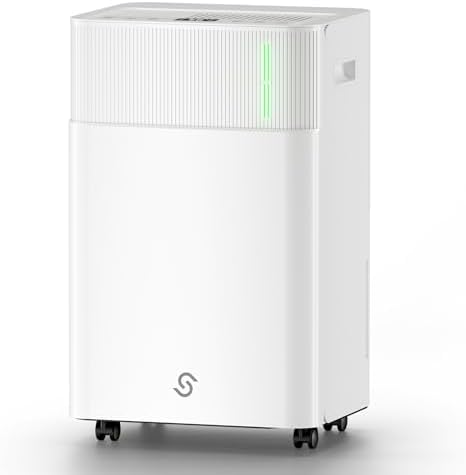
- 【Powerful 4500 Sq. Ft Whole-House Dehumidifier】This high-efficiency dehumidifier removes up to 52 pints of moisture per …
- 【Customizable Comfort with 3 Smart Modes】The HUMLABS room dehumidifier offers 3 tailored settings: Continuous Mode for r…
- 【Super Quiet Sleep Mode】Designed for nighttime use and light sleepers. Operates at only 38 dB, ideal for bedrooms, nurse…

- EASY TO CLEAN WASHABLE FILTER: Capture dust from the air and keep your dehumidifier working efficiently with our easy-to…
- CUSTOM HUMIDITY CONTROL: Maximize your comfort with customized control over the amount of humidity in your room.
- EASY TO CLEAN WASHABLE FILTER: Capture dust from the air and keep your dehumidifier working efficiently with our easy-to…
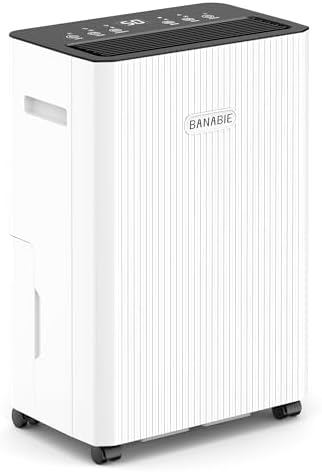
- POWERFUL 2,500 SQ. FT. COVERAGE – Stop letting sticky, heavy air dictate your comfort. The BANABIE dehumidifier utilizes…
- EFFORTLESS DRAINAGE SOLUTIONS – We’ve simplified your routine for maximum convenience. Choose between hassle-free gravit…
- SMART SENSING & INTELLIGENT CONTROL – Take the guesswork out of home maintenance. The BANABIE dehumidifier features an i…
Best Places to Put a Dehumidifier in a Room
1. Near the Center of the Room (If Possible)
Placing the dehumidifier near the center of the room is often ideal because it allows the air to circulate freely around the unit. This means it can pull moisture evenly from all areas of the room, not just one corner.
If the center isn’t practical—because of foot traffic, furniture, or power outlet locations—just aim for as open a space as possible.
2. Close to the Source of Moisture
If your moisture problem comes from a specific area—like a leaky wall, a damp carpet, or a humid bathroom—try placing the dehumidifier close to the source. This allows the machine to attack the problem head-on.
For example:
- In a basement, put it near the foundation wall that feels damp.
- In a bathroom, set it near the shower or tub (but not too close—water and electronics don’t mix!).
- In a kitchen, keep it near the stove or dishwasher if those create a lot of steam.
3. Away from Walls and Furniture
Dehumidifiers need space to “breathe.” Most models pull in air from the back or sides and blow dry air out the front or top. If the back or sides are pressed against a wall or couch, the airflow is restricted.
As a rule of thumb, keep at least 6–12 inches of clearance on all sides of the unit.
4. Near a Drain (If Using Continuous Drainage)
If your dehumidifier has a hose for continuous drainage, you’ll need to position it near a floor drain, sink, or bathtub.
This is especially useful in:
- Basements
- Laundry rooms
- Utility closets
Be sure the hose runs downhill, or you may need a pump to move the water up into a sink or drain.
5. On a Flat, Level Surface
Placing the unit on an uneven surface can lead to problems. Most dehumidifiers have sensors and mechanisms that assume the machine is sitting level. If it’s tilted, it may not work properly—or worse, it might leak.
Carpets are okay, but hard floors are better. Avoid placing it on a bed, sofa, or anything soft.
Places to Avoid
To maximize efficiency and safety, avoid placing your dehumidifier in the following spots:
✖ In Corners
Corners restrict airflow and make it harder for the unit to pull in moist air from the entire room. They also increase the chance of mold buildup in hidden areas.
✖ Near Heat Sources
Don’t place your dehumidifier next to radiators, space heaters, or heat vents. The heat can confuse the sensors or overwork the unit.
✖ Behind Curtains or Large Furniture
These can block airflow and reduce the machine’s efficiency. Make sure the unit is visible and unobstructed.
✖ On a Shelf or Elevated Surface (Unless Designed for It)
Most dehumidifiers are designed to sit on the ground. Placing them up high can create tipping hazards or interfere with drainage.
Room-by-Room Tips
Living Room
- Place the dehumidifier near the center, but out of walking paths.
- Avoid placing it behind couches or entertainment centers.
Bedroom
- Keep it at least 3 feet from your bed so it’s not too noisy or blowing dry air directly on you.
- Use a timer or sleep mode for quieter operation at night.
Basement
- This is often the most humid part of the house.
- Place it near the dampest area, like a foundation wall or laundry space.
- Use a model with a drain hose if possible.
Bathroom
- Use a small unit if your bathroom doesn’t have a fan.
- Make sure it’s far enough from the shower to avoid splashing.
- Empty the tank regularly if not draining continuously.
Pro Tips for Maximum Efficiency
✅ Close Windows and Doors
Let the dehumidifier work in a contained space. Otherwise, it’s just drying the whole neighborhood.
✅ Check and Clean Filters
Dusty filters block airflow. Clean or replace them regularly, according to your model’s instructions.
✅ Empty the Tank (If Not Draining Automatically)
If your tank fills up and the unit shuts off, it stops working. Make a habit of checking it daily in very humid areas.
✅ Monitor Humidity Levels
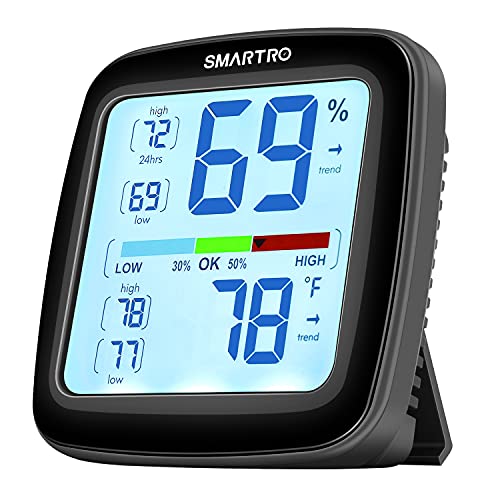
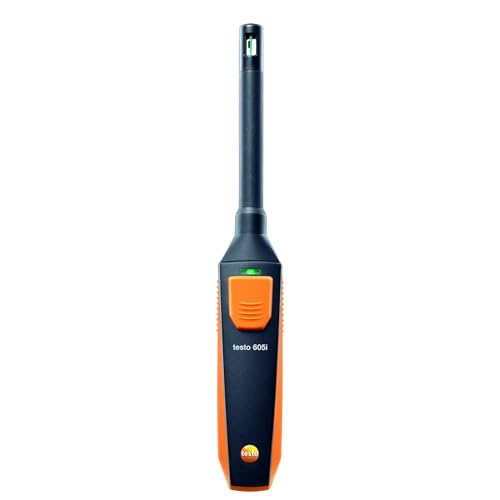
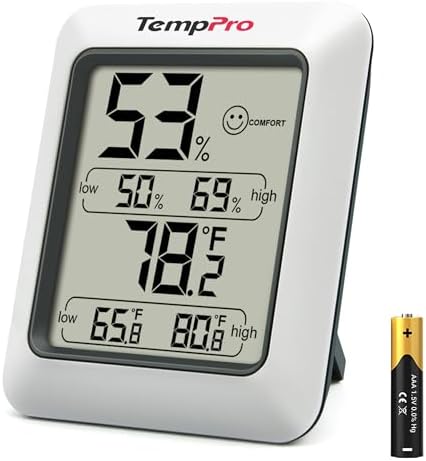
Ideal indoor humidity is between 30–50%. Many dehumidifiers have built-in humidistats. If yours doesn’t, a simple digital hygrometer will do the trick.
Final Thoughts
A dehumidifier is one of the simplest tools you can use to improve your home’s comfort and protect it from moisture damage. But placing it in the right spot makes a huge difference in how well it works.
To recap:
- Aim for open space, ideally near the center or moisture source.
- Avoid corners, heat sources, and tight spots.
- Give it room to “breathe” with at least 6–12 inches of clearance.
- Drain it properly and maintain it regularly.
By placing your dehumidifier smartly, you’ll get better results, save energy, and extend the life of your device. Happy drying!