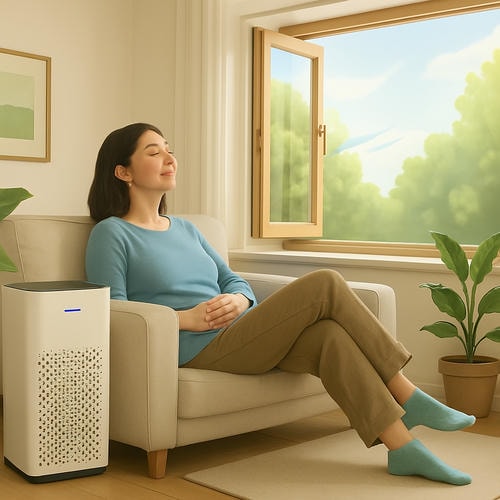
Living with asthma can be a daily challenge—especially if the air in your home is triggering symptoms like wheezing, coughing, or shortness of breath. The good news? With a few smart tweaks, you can make your home a much safer and more comfortable space for your lungs.
Whether your asthma is mild or severe, managing your indoor air quality is one of the most effective steps you can take. Here’s a guide on how to optimize your home air and breathe a little easier.
🔄 1. Ventilate, Ventilate, Ventilate
One of the easiest and most important things you can do is improve airflow:
- Open windows regularly to allow fresh air in—especially when cooking or cleaning.
- Use exhaust fans in bathrooms and kitchens to remove humidity and odors.
- Avoid sealing your home too tightly; trapped air can hold pollutants.
💡 Tip: Use trickle vents or install a whole-house ventilation system if you live in a very airtight home.
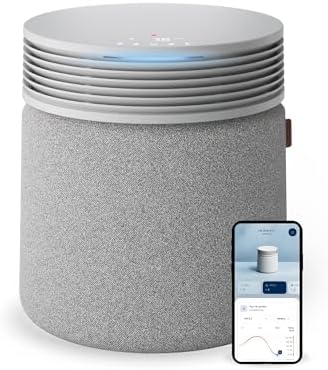
🌬️ 2. Invest in a Quality Air Purifier
An air purifier with a HEPA filter can significantly reduce asthma triggers like:
- Dust mites
- Pet dander
- Mold spores
- Pollen
- Smoke particles
If you live in a city or near a busy road, choose a model with an activated carbon filter to absorb harmful gases and odors.
🛑 Avoid: Ionizing or ozone-producing air purifiers—they can irritate the lungs and make asthma worse.


🧹 3. Keep Your Home Clean, But Be Smart About It
Dust and allergens love to settle on surfaces, so regular cleaning is key—but avoid stirring up trouble.
Do:
- Dust with a damp cloth (not a dry one).
- Vacuum weekly with a HEPA vacuum cleaner.
- Wash bedding in hot water weekly to kill dust mites.
Don’t:
- Use strong-smelling chemical cleaners or air fresheners.
- Overdo it with scented candles or incense.
👃 Asthma-sensitive noses need fragrance-free, non-toxic products.
💧 4. Monitor and Manage Humidity
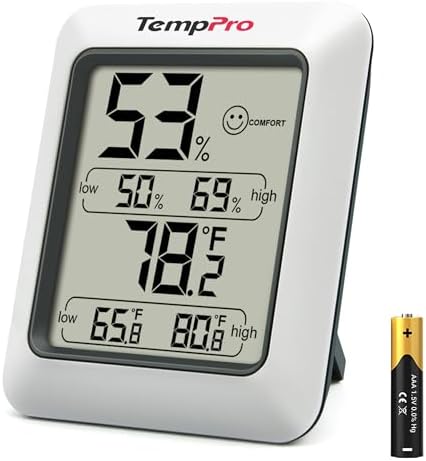
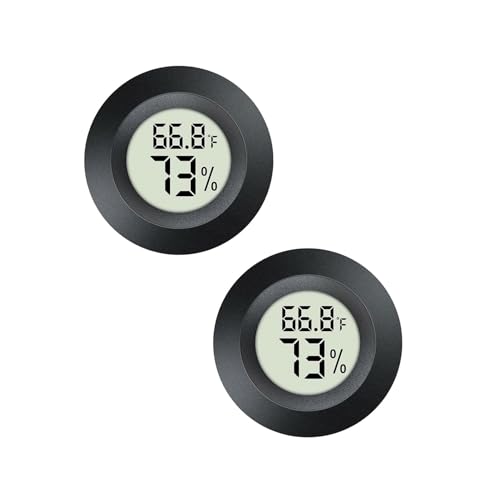
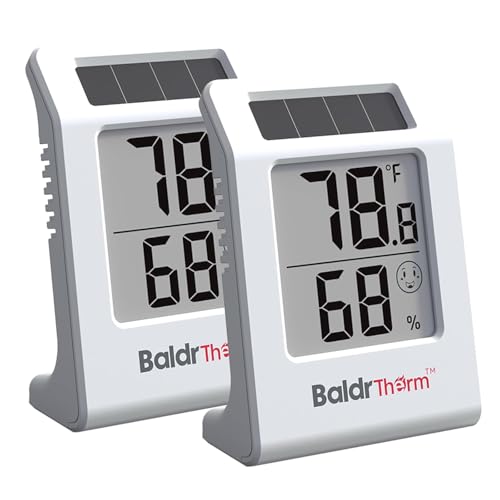
Dust mites and mold thrive in moist environments. Aim to keep indoor humidity between 30% and 50%.
- Use a hygrometer (inexpensive and widely available) to check humidity.
- Run a dehumidifier in damp areas like basements or bathrooms.
- Fix any leaks or water issues promptly.
On the flip side, if the air is too dry (especially in winter), a cool mist humidifier can relieve irritation—but clean it regularly to avoid mold growth.
🛏️ 5. Asthma-Proof Your Bedroom
You spend a third of your life here—make it asthma-friendly:
- Use dust-mite-proof covers on pillows and mattresses.
- Choose washable curtains instead of heavy drapes.
- Minimize clutter that collects dust.
- Avoid keeping pets in the bedroom.
💤 Good sleep equals better asthma control—so keeping your bedroom air clean is crucial.
🚭 6. Ban Smoking (Even Vaping) Indoors
Smoke is one of the worst asthma triggers. Don’t allow smoking or vaping inside your home.
If someone in the household smokes, encourage them to do it far away from doors and windows (or better yet, quit altogether).
🪴 7. Be Cautious with Houseplants
Houseplants are beautiful—but some can harbor mold in the soil or release pollen that irritates sensitive lungs.
If you love greenery:
- Use plants that are less likely to trigger allergies (like snake plants or peace lilies).
- Don’t overwater—mold grows in damp soil.
- Clean leaves regularly to avoid dust buildup.
🔍 8. Know Your Triggers and Customize Accordingly
Asthma is personal. Some people react to pollen, while others are more sensitive to pets, dust, or cleaning chemicals.
Keep a log of what makes your symptoms worse and adjust accordingly:
- Use pollen filters in windows during allergy season.
- Avoid pet dander by grooming pets frequently or keeping them out of specific rooms.
- Opt for non-toxic, fragrance-free cleaning products.
🛠️ Final Thought: Your Home Should Be a Safe Space to Breathe
Managing asthma doesn’t have to be overwhelming. By making these small but powerful changes, you can create a healthier, safer indoor environment that supports your breathing and overall wellbeing.
Remember: these tips complement, not replace, your asthma treatment plan. Always consult your healthcare provider for medical advice.