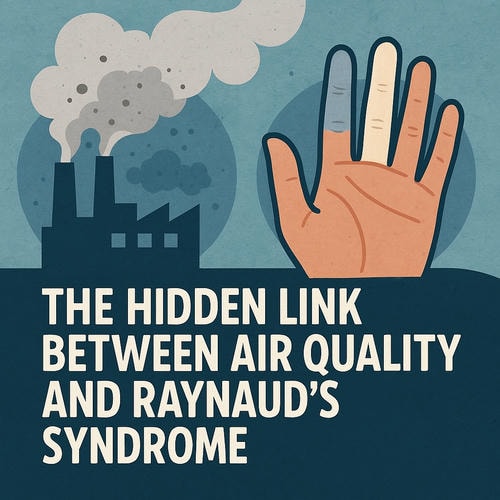
If you live with Raynaud’s syndrome, you already know how sensitive your body can be—especially to cold and stress. But did you know that the air you breathe indoors could also be affecting your symptoms? Additionally, understanding raynauds syndrome can help manage your condition more effectively.
While Raynaud’s is primarily known for causing numb, cold fingers and toes, new research and anecdotal evidence suggest that air quality may play a role in how often and how severely symptoms flare up.
With this in mind, learning about raynauds syndrome and its triggers is crucial for improving your quality of life.
In this article, we’ll explore how indoor air quality and environmental pollutants can affect Raynaud’s, and what you can do to create a healthier living space.
What Is Raynaud’s Syndrome?
Raynaud’s syndrome (or Raynaud’s phenomenon) is a condition where small blood vessels—especially in the fingers and toes—overreact to cold or emotional stress. These vessels constrict, limiting blood flow, which causes the skin to turn white or blue and feel cold or numb. When the vessels relax and blood returns, the skin may flush red and tingle or throb.
There are two types:
- Primary Raynaud’s – occurs on its own with no underlying disease.
- Secondary Raynaud’s – linked to autoimmune or connective tissue disorders like lupus or scleroderma.
Can Air Quality Affect Raynaud’s?
While cold exposure is the most well-known trigger, air pollution and poor indoor air quality are emerging as potential contributors to vascular stress and inflammation—both of which can worsen Raynaud’s symptoms.
Here’s how:
1. Air Pollution and Blood Vessel Function
Studies have shown that fine particulate matter (PM2.5)—tiny particles from car exhaust, cigarette smoke, and industrial emissions—can negatively impact endothelial function, which refers to how well blood vessels expand and contract. This is crucial for people with Raynaud’s, where blood vessel reactivity is already an issue.
2. Cold Air Indoors
Cold air is a primary trigger for Raynaud’s, and poor insulation or indoor drafts can keep your body in a constant state of low-level exposure. Even air conditioning set too cold can provoke a flare-up.
3. Dry Air and Circulation
During winter or in air-conditioned environments, low humidity can make the skin dry and more sensitive. Dry air doesn’t directly cause Raynaud’s but can aggravate circulation and make extremities feel colder.
4. Chemical Irritants
Common indoor pollutants such as formaldehyde, VOCs (volatile organic compounds) from cleaning products, air fresheners, and paints can increase systemic inflammation. While not direct causes of Raynaud’s, they can worsen symptoms in people with autoimmune conditions that often coexist with Raynaud’s.
Symptoms That Might Be Air Quality-Related
If you have Raynaud’s and notice more frequent or severe flare-ups at home or work, poor air quality may be playing a role. Watch for:
- More flare-ups when indoors
- Cold hands and feet despite warm clothing
- Headaches or fatigue indoors
- Dry skin, especially on hands and face
- Worsening symptoms during winter or allergy season
How to Improve Indoor Air Quality for Raynaud’s
The good news? There are simple, effective ways to improve your indoor air and potentially reduce symptom severity:
✅ Use an Air Purifier
Choose one with a HEPA filter to remove dust, mold spores, and fine particles, and a carbon filter for VOCs. Place it in the rooms you use most.

- 𝗥𝗘𝗠𝗢𝗩𝗘 𝗣𝗢𝗟𝗟𝗨𝗧𝗔𝗡𝗧𝗦 𝗘𝗩𝗘𝗥𝗬𝗪𝗛𝗘𝗥𝗘: Our Pre-Filter and Main Filter capture allergens as lint, hair, pet dander, pet hair, fine…
- 𝗛𝗘𝗟𝗣𝗦 𝗠𝗔𝗞𝗘 𝗢𝗗𝗢𝗥𝗦 𝗢𝗗𝗢𝗥𝗟𝗘𝗦𝗦: The Activated Carbon Filter helps neutralize smoke, odors, and fumes. You’ll love the feeling…
- 𝗨𝗦𝗘 𝗜𝗧 𝗔𝗡𝗬𝗪𝗛𝗘𝗥𝗘: With the Levoit Core Mini-P, you can focus on your activities in the bedroom, kitchen, or office. It of…

- 🔥【H13 High Efficiency Purification】Honeyuan air purifiers adopts 360 surround air intake designs, H13 True HEPA filter w…
- 🔥【Portable & Smart Design】 Air purifiers for bedroom is portable and powerful, completely refreshed air in just 30 minut…
- 🔥【Multifunctional & Flexible】Air purifiers for pet can adjust the required fan speed mode (Low/Medium/High) according to…
✅ Maintain Comfortable Temperatures
Keep your home between 68–72°F (20–22°C). Use space heaters in work areas if central heating isn’t enough, and insulate drafty windows.
✅ Add a Humidifier
In dry climates or during winter, aim for 40–50% humidity indoors to keep the air (and your skin) from drying out.

- 𝗜𝗠𝗠𝗘𝗗𝗜𝗔𝗧𝗘 𝗗𝗥𝗬 𝗔𝗜𝗥 𝗥𝗘𝗟𝗜𝗘𝗙! Want to eliminate the suffering from the terrible effects of dry air? No need to struggle with…
- 𝗢𝗣𝗘𝗥𝗔𝗧𝗘𝗦 𝗜𝗡 𝗧𝗢𝗧𝗔𝗟 𝗦𝗜𝗟𝗘𝗡𝗖𝗘 – 𝗦𝗟𝗘𝗘𝗣 𝗟𝗜𝗞𝗘 𝗔 𝗕𝗔𝗕𝗬! No humming, whistling, or crackling as this durable Whole-House Humidifie…
- 𝗠𝗨𝗟𝗧𝗜𝗣𝗟𝗘 𝗠𝗜𝗦𝗧 𝗦𝗘𝗧𝗧𝗜𝗡𝗚𝗦 + 𝟯𝟲𝟬 𝗣𝗘𝗥𝗖𝗘𝗡𝗧 𝗥𝗢𝗧𝗔𝗧𝗜𝗡𝗚 𝗡𝗢𝗭𝗭𝗟𝗘 – This Humidifier was created with YOU in mind. Your environment, y…
✅ Avoid Indoor Pollutants
Use natural cleaning products, ventilate when painting or cooking, and avoid burning candles or incense frequently.
✅ Don’t Smoke Indoors
Cigarette smoke is a major indoor pollutant that can trigger Raynaud’s and other circulatory problems.
Lifestyle Tips to Complement Better Air
- Wear warm layers, especially indoors in winter or when handling cold items.
- Manage stress with breathing exercises or meditation, as emotional triggers can also provoke symptoms.
- Eat circulation-friendly foods, like omega-3-rich fish, leafy greens, and nuts.
- Talk to your doctor about medications that may help improve blood flow.