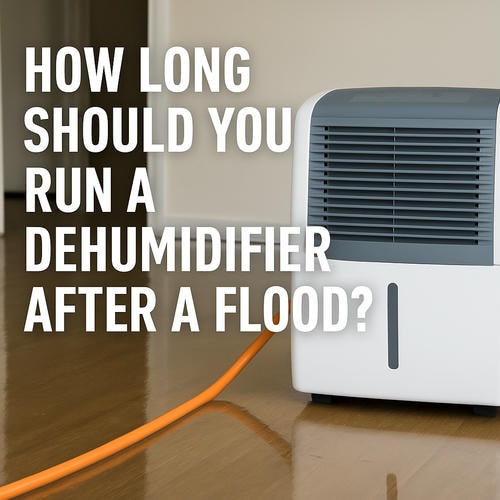
Flooding in your home can be a nightmare. Whether it’s caused by heavy rain, a burst pipe, or an overflowing appliance, the water damage can quickly become overwhelming. One of the most important tools in the recovery process is a dehumidifier. But a common question homeowners ask is: How long should you run a dehumidifier after a flood?
In this article, we’ll break down everything you need to know about using a dehumidifier after a flood—from why it’s essential to how long to use it and when it’s safe to stop.
Why You Need a Dehumidifier After a Flood
After a flood, removing standing water is only the first step. The next step is drying out the air and building materials like wood, drywall, flooring, and insulation. If moisture lingers, it can lead to:
- Mold and mildew growth (often within 24–48 hours)
- Warped wood and floors
- Musty odors
- Structural damage over time
- Increased health risks, especially for those with allergies or asthma
A dehumidifier pulls moisture from the air, which helps prevent all of the above problems. It speeds up the drying process, especially in humid environments where air drying isn’t effective.
How Long Should You Run It?
Short Answer: Usually 24 hours to several weeks.
The length of time you need to run a dehumidifier depends on several factors:
- Severity of the flood
- Humidity levels
- Size of the affected area
- Building materials involved
- Type and size of dehumidifier
Let’s break each of these down.
1. Severity of the Flood
- Small leaks or spills: If water was cleaned up quickly and the damage was minimal, 24–48 hours of dehumidifying may be enough.
- Moderate flooding: If carpets, drywall, or flooring got soaked, you may need to run the dehumidifier for 5–10 days or more.
- Severe flooding: For deep or widespread water damage, it can take 2–3 weeks or longer to fully dry the area.
The more water that soaked into materials, the longer the drying process.
2. Indoor Humidity Levels
You want to get your indoor humidity down to 30–50%. You can monitor this using a hygrometer (a small, inexpensive device that measures humidity).
- If the humidity is still over 60%, keep the dehumidifier running.
- Once it’s consistently between 30–50%, you can start scaling back.
Pro tip: Don’t rely on your senses alone. Just because something feels dry doesn’t mean it is.
3. Size of the Affected Area
Larger spaces take longer to dry. For example:
- A small bathroom may dry in a day or two.
- A flooded basement or entire floor of a home can take weeks to properly dehumidify.
Make sure your dehumidifier is rated for the size of your space. Commercial models may be necessary for larger or heavily flooded areas.
4. Materials That Were Affected
Different materials retain water differently:
- Carpet and padding: Soaks up water and takes a long time to dry.
- Drywall: Can absorb water quickly and may need to be removed if it’s soaked.
- Hardwood: Takes longer to dry and may warp if moisture is trapped.
- Insulation: Often needs to be replaced if waterlogged.
If these materials are affected, keep the dehumidifier running until a professional confirms they are dry—or consider removing and replacing them.
5. Type of Dehumidifier
There are several types of dehumidifiers:
- Home-use models: Great for smaller jobs but may take longer.
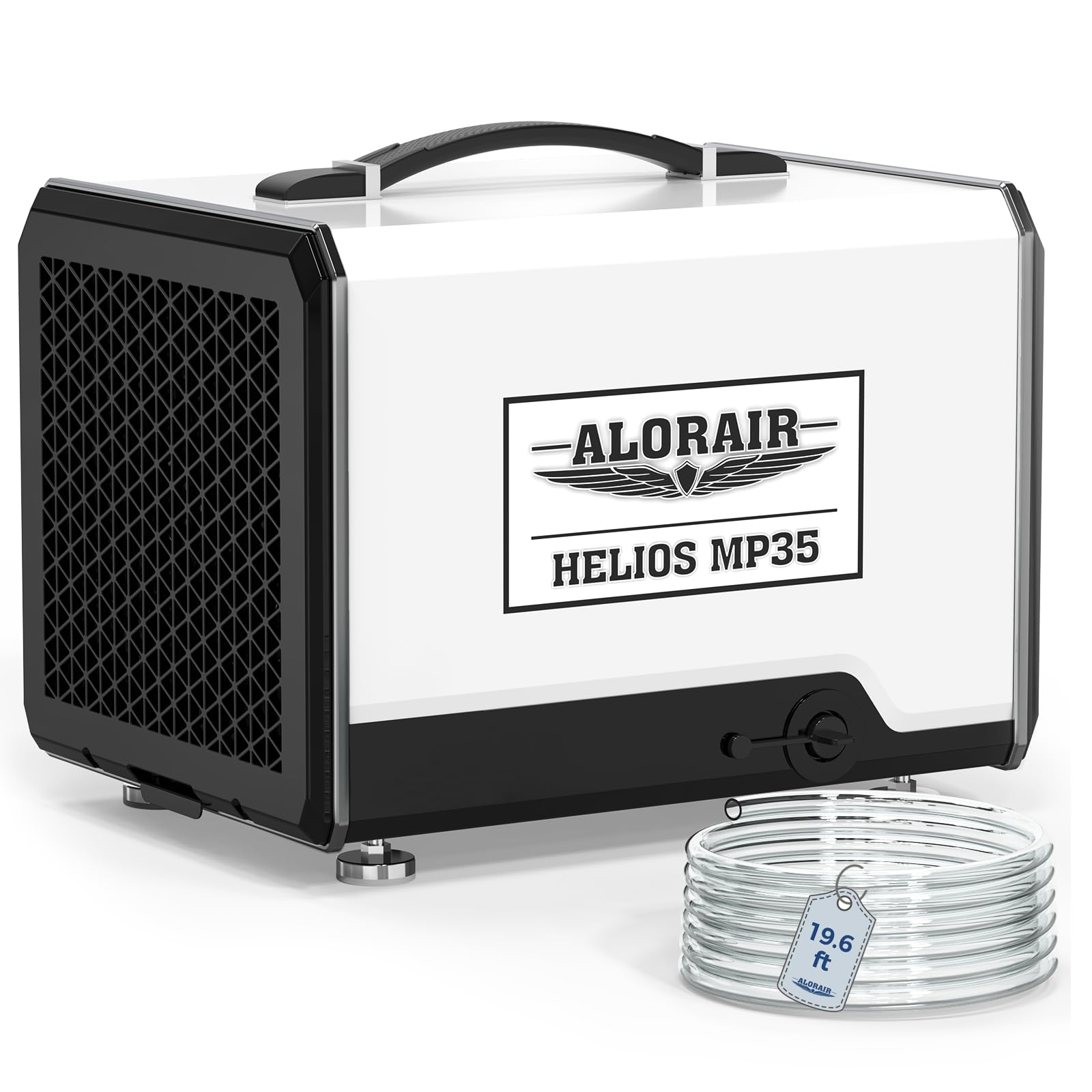
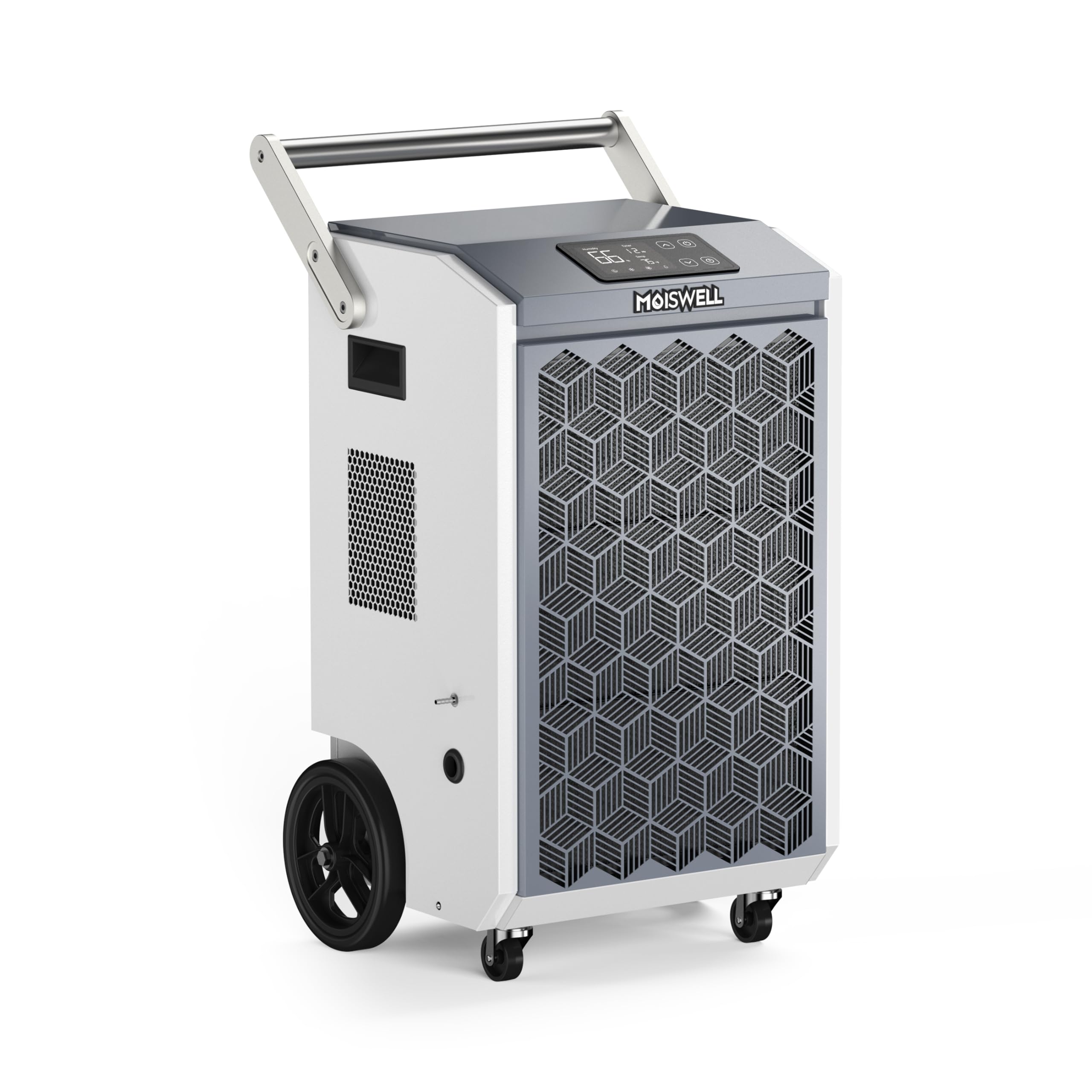
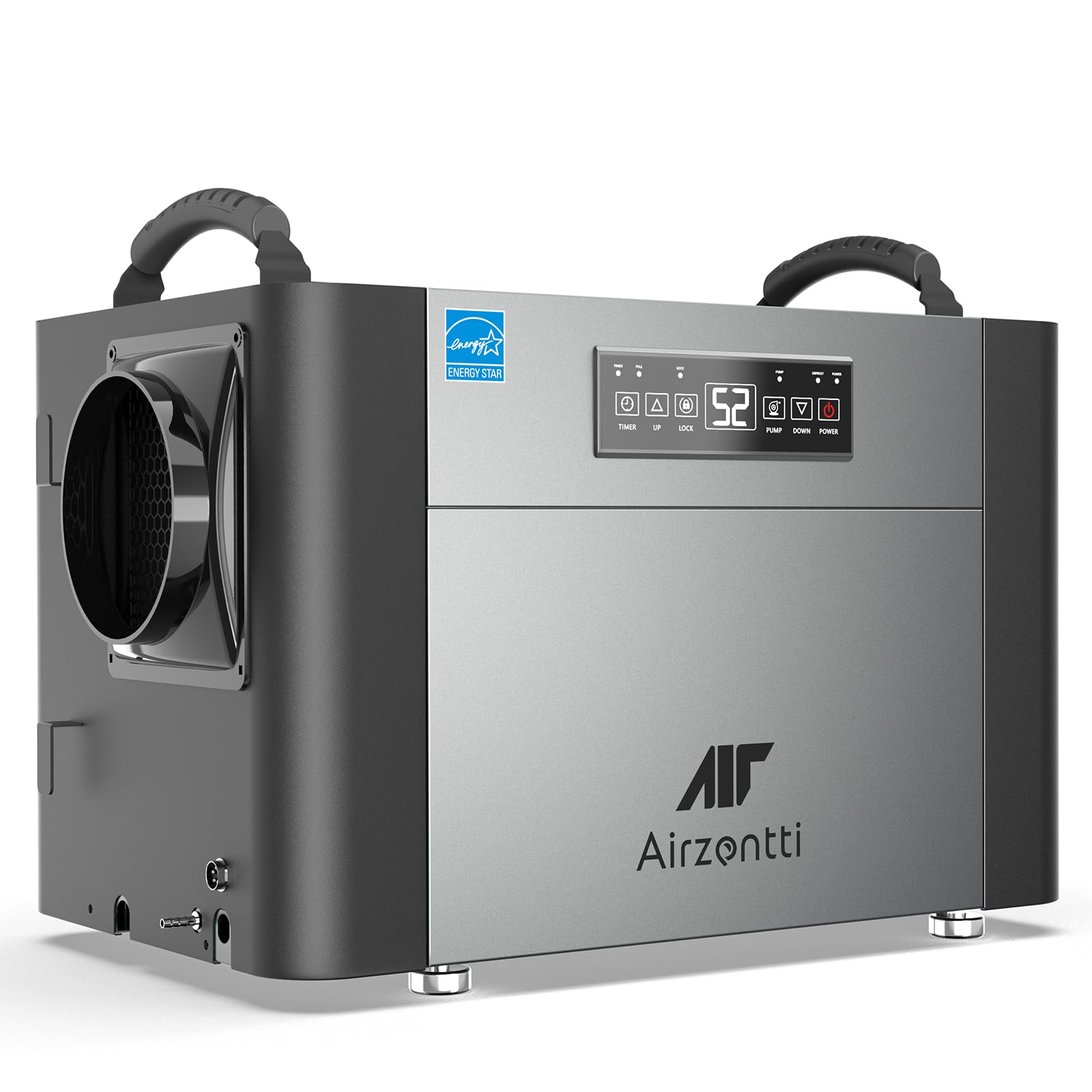
- Commercial/industrial dehumidifiers: More powerful, can remove gallons of water per day, and are ideal for post-flood conditions.
If you’re dealing with major water damage, renting or hiring a commercial-grade dehumidifier might save time and prevent further issues.
Signs It’s Time to Stop
Here’s how to tell when you can stop running your dehumidifier:
✅ Humidity is consistently between 30–50%
✅ Surfaces feel dry to the touch
✅ No musty odors or visible mold
✅ No condensation on windows or walls
✅ Flooring and walls have returned to normal appearance and firmness
If in doubt, consult a water damage professional or use a moisture meter to check hidden dampness.
Tips for Using a Dehumidifier After a Flood
- Start ASAP: The sooner you run it, the better the results.
- Close windows and doors: Keeps moist air from coming back in.
- Empty the water tank regularly: Or hook it up to a drain if possible.
- Use fans in combination: Air circulation helps dry faster.
- Check and clean filters: Keep your dehumidifier working efficiently.
Should You Use More Than One?
For larger spaces or multiple rooms, yes. Placing more than one dehumidifier can dramatically reduce drying time, especially if used alongside fans and proper ventilation.
What Happens If You Stop Too Early?
Stopping the dehumidifier too soon can lead to:
- Mold growth behind walls or under flooring
- Hidden moisture causing damage later
- Needing to redo repairs or replace materials again
It’s always safer to run it longer than needed than to stop too early.
When to Call the Pros
While small-scale flooding may be manageable on your own, you should call a professional restoration service if:
- The flood involved sewage or contaminated water
- The damage covers more than one room
- You notice mold growth
- You’re unsure how to measure moisture levels
- The smell persists even after drying
Professionals have moisture meters, thermal cameras, and commercial-grade equipment that can dry and sanitize more effectively than home tools.