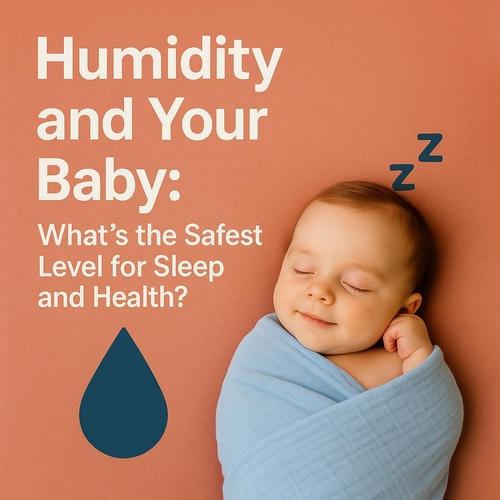
When we think about creating a safe and comfortable space for our babies, we often focus on temperature, noise levels, and sleep schedules. But there’s one silent factor that many parents overlook—humidity. The moisture content in the air can have a surprising impact on your baby’s health, sleep, and overall comfort.
So, what’s the safest humidity level for a baby’s room? Why does it matter so much? And how can you make sure your nursery stays in the ideal range?
Let’s explore everything you need to know about babies and humidity—based on expert advice, parental experience, and medical insights.
🌬️ Why Humidity Matters for Babies
Babies have delicate respiratory systems. Unlike adults, they can’t regulate their body temperature as effectively, and they’re more vulnerable to environmental factors—including the air they breathe.
Humidity plays a key role in two major ways:
- Respiratory Health: Air that’s too dry can irritate your baby’s nasal passages and throat, potentially leading to coughing, congestion, or even nosebleeds.
- Allergen & Mold Control: On the flip side, high humidity can encourage mold, bacteria, and dust mites—triggers for asthma and allergies.
It’s a Goldilocks situation: not too dry, not too damp—just right.
🧪 What’s the Ideal Humidity for a Baby’s Room?
Most pediatricians and indoor air quality experts recommend maintaining indoor humidity between 30% and 50%. For babies, the sweet spot tends to be a little higher:
🔹 Ideal humidity for a baby’s room: 40–50%
This level keeps mucous membranes moist (which helps your baby breathe easier), while minimizing the risk of mold and other allergens.
💡 Pro tip: Use a hygrometer—a small, inexpensive tool—to monitor humidity levels in your nursery. Some baby monitors even have built-in sensors.
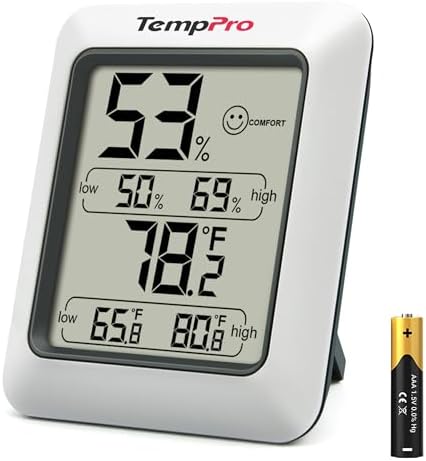
- Wellness Indicator: This humidity meter with humidity level icon indicates air conditions – DRY/COMFORT/WET, allowing th…
- High Accuracy & Quick Refresh Rate: This inside thermometer features a high accuracy of +/-2 to 3%RH and +/-1°F, making …
- High & Low Records: This hygrometer digital thermometer displays high/low temperature and humidity levels to allow you t…
- Healthier Home & Environment: This thermometer hygrometer with temperature and humidity monitor ensures proper indoor hu…
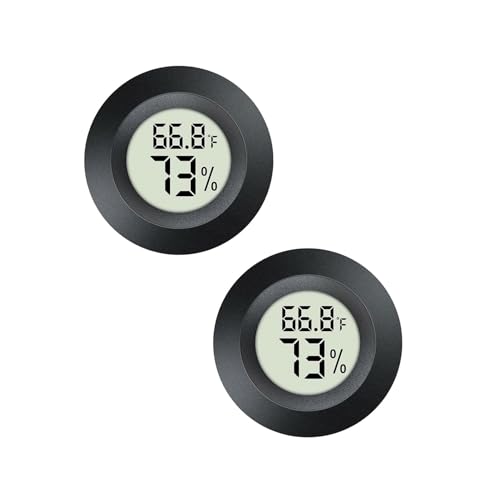
- 【Einfach zu installieren】 Mini-Digital-Hygrometer-Thermometer kennt leicht die aktuelle Luftfeuchtigkeit und Temperatur,…
- 【Fahrenheit/Celsius】 Umwandlung von 2 Fahrenheit (°F) oder Celsius (°C), Temperaturgenauigkeit +/-1 °C (+/–16.7 °C), Lu…
- Breiter Temperaturtest: Breiter Messbereich: Arbeitstemperatur von 0 ℃ bis 70 ℃ (+-0.0 °C ~ +70.0 °C), Arbeitsfeuchtigke…
- 【Zwei in Einem】 Mini-Digital-Hygrometer-Thermometer ist 2-in-1-Messgerät mit eingebauter Sonde; digitales elektronisches…
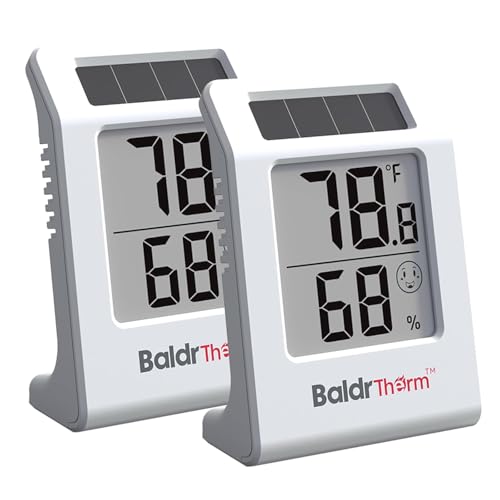
- Solar-Powered, Never-Power Off: This indoor thermometer is powered by solar energy,In bright environments, solar panels …
- Accurate & 10S Highly Responsive: 1. Designed with a curved shape and a three-sided ventilation system, this hygrometer …
- Clear Comfort Indicator: The smiley face symbol provides a quick and clear visual representation of the indoor comfort l…
- Large Display- Easy to Read: The 2.2-inch larger LCD screen with bigger digits, Clearly displays temperature, and humidi…
💧 Signs the Air Is Too Dry
During winter, when central heating is running, it’s common for indoor air to drop well below 30% humidity. You may notice signs like:
- Dry, flaky skin or eczema flare-ups
- Stuffy or bleeding noses
- Frequent coughs or dry throat
- Poor sleep or fussiness at night
- Static electricity in blankets or clothes
If your baby wakes up with a dry cough or congested nose, dry air might be the cause.
🌫️ Signs the Air Is Too Humid
In summer—or in homes near water or with poor ventilation—humidity can spike above 60%. This can create a different set of concerns:
- Moldy smells or visible mold on walls, ceilings, or windows
- Condensation on windows
- Clammy skin or sweatiness despite a normal room temperature
- More frequent colds, allergies, or congestion
- Increased dust mites and insects like silverfish
For babies, breathing in moist, allergen-rich air can affect sleep and overall health.
🛠️ Should You Use a Humidifier?
In dry environments or during winter months, a humidifier can be a great tool to maintain ideal moisture levels in your baby’s room.
✔️ Benefits:
- Soothes dry skin and nasal passages
- Helps ease cold symptoms
- Promotes better sleep
❌ Cautions:
- Must be cleaned regularly to prevent mold or bacteria buildup
- Use distilled water to avoid mineral dust (especially with ultrasonic models)
- Choose cool-mist humidifiers only—never warm-mist, as hot steam poses a burn risk
If the humidity is already within the 40–50% range, skip the humidifier to avoid over-humidification.
🧴 What About Dehumidifiers?
If you live in a humid climate or your baby’s room feels musty or damp, consider using a dehumidifier—especially during the rainy season or in basement nurseries.
Modern dehumidifiers are quiet, energy-efficient, and can make a noticeable difference in your baby’s breathing and sleep quality.

- 【Upgrade High Efficient Home Dehumidifier】PSOS dehumidifier utilize dual semiconductor condensation technology, ensuring…
- 【Two Dehumidifier Modes & Washable Filters】The dehumidifiers for home offers a powerful mode that efficiently reduces hu…
- 【Humidity Monitoring & 7-color Mood Lights】The dehumidifier for bedroom integrates a smart control panel, allowing you t…

- 【High Dehumidification Capacity】MEPTY high-efficiency dehumidifier removes up to 100 pints (12.5 Gal) of moisture daily …
- 【Smart Modes & Quiet Operation】This dehumidifier comes with 3 smart operating modes for all scenarios. Auto mode works a…
- 【Flexible Drainage System】Two flexible drainage options are available: 1.5GAL large water tank with FL alert and auto sh…

- MULTIFUNCTIONAL HUMIDIFIER: Experience the benefits of baby humidifiers for congestion relief with our Crane Baby 3-in-1…
- SOOTHING NIGHTLIGHT: Our Crane Baby 3-in-1 Humidifier, a cool mist humidifier, casts a soft, soothing glow in your baby’…
- AROMA DIFFUSER: Transform your nursery into a tranquil haven with our humidifier for bedroom, which includes a built-in …
🧼 Air Quality, Humidity, and Health
Humidity and air quality go hand in hand. High humidity can worsen indoor air quality by promoting the growth of:
- Mold spores
- Dust mites
- Bacteria
- VOCs (volatile organic compounds) in poorly ventilated areas
For this reason, some parents pair a humidifier with an air purifier to create the best possible environment.
Choose a purifier with a HEPA filter to capture allergens, and look for models designed for quiet operation in bedrooms.
👶 What Real Parents Say
On parenting forums like Reddit and BabyCenter, parents frequently share concerns like:
“My baby wakes up with a dry cough every night—is it the air?”
“We live in Florida and our baby’s room is always humid—how do we keep mold away?”
“Is it safe to use both a humidifier and air purifier in the nursery?”
Their solutions often include a combination of tools: a hygrometer to track conditions, careful use of a humidifier or dehumidifier, and investing in air purifiers when needed.
The key takeaway? Awareness and balance are everything.
✅ Quick Tips for Managing Nursery Humidity
| Do | Don’t |
|---|---|
| Keep humidity between 40–50% | Let humidity rise above 60% |
| Use a cool-mist humidifier in dry seasons | Use hot steam humidifiers |
| Clean humidifiers every few days | Let standing water sit in the device |
| Open windows occasionally to ventilate | Keep rooms sealed if moisture builds up |
| Consider an air purifier for allergens | Overload the room with devices |